Each year, the North Coast Chapter of the California Native Plant Society invests in the next generation of botanists, ecologists, and land stewards—supporting student research that deepens our understanding of native plants and the landscapes they inhabit. These grants nurture projects that span genetics, restoration, ecology, and climate resilience, all grounded in the diverse flora of Humboldt, Trinity, Siskiyou, and Del Norte counties. Together, this year’s recipients carry forward a shared purpose: to translate curiosity into knowledge, and knowledge into care for the native plant communities that define the North Coast.

Helena Tremblay
Helena is reaching back through time to understand the future of California’s kelp forests. By comparing DNA from modern bull kelp with herbarium specimens collected over the past 130 years, she will assess how genetic diversity has changed in response to marine heatwaves. Her work aims to reveal whether kelp forests still hold the genetic resilience needed to recover—or if deeper ecological pressures are shaping their decline.
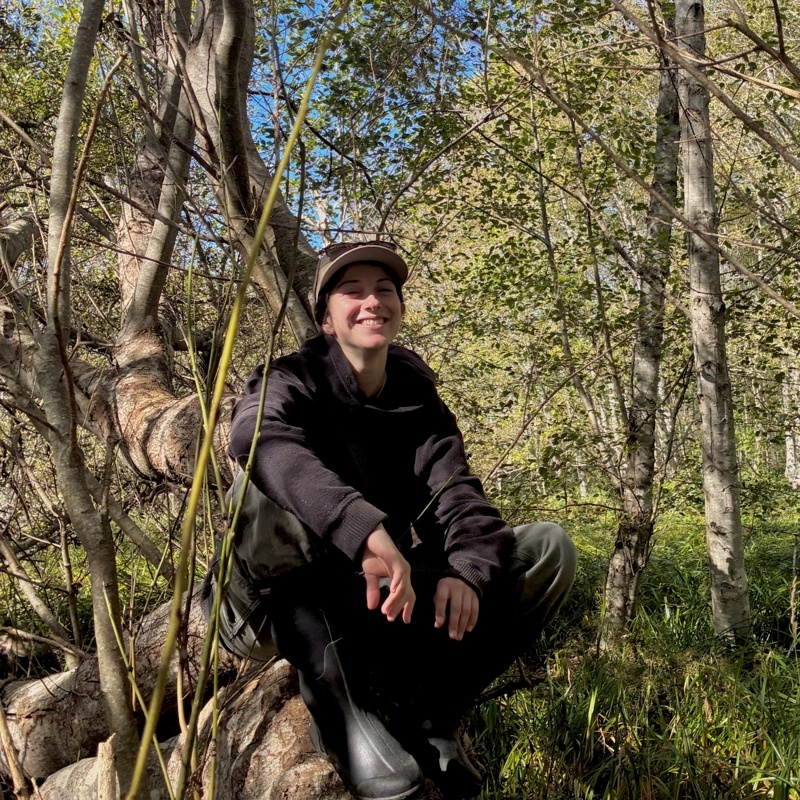
Elena Bewick
Elena’s research explores the hidden life beneath the sand in restored coastal dunes. She is testing whether introducing soil from intact dune systems can rebuild microbial communities and improve the survival of native plants. By linking plant establishment with soil biology, her work seeks practical tools to accelerate dune restoration along the North Coast.
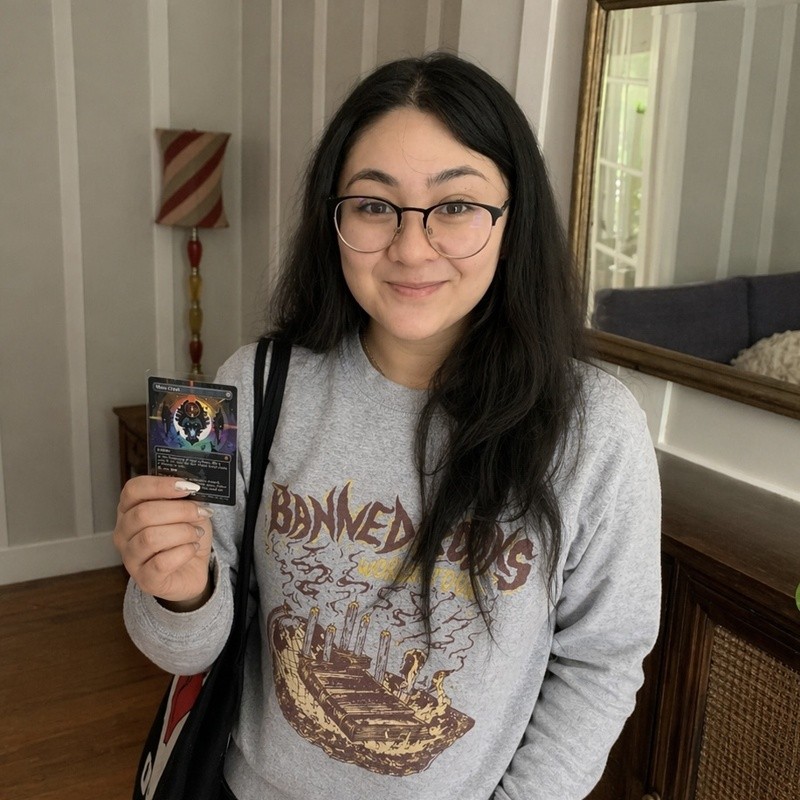
Sierra Vasinthascha
Sierra is uncovering the unseen partnerships inside California’s iconic cobra lily. Her study focuses on fungal communities living within the plant’s pitchers and their role in breaking down captured prey. By teasing apart fungal and bacterial contributions to nutrient cycling, she aims to better understand how this carnivorous plant survives in nutrient-poor serpentine wetlands.
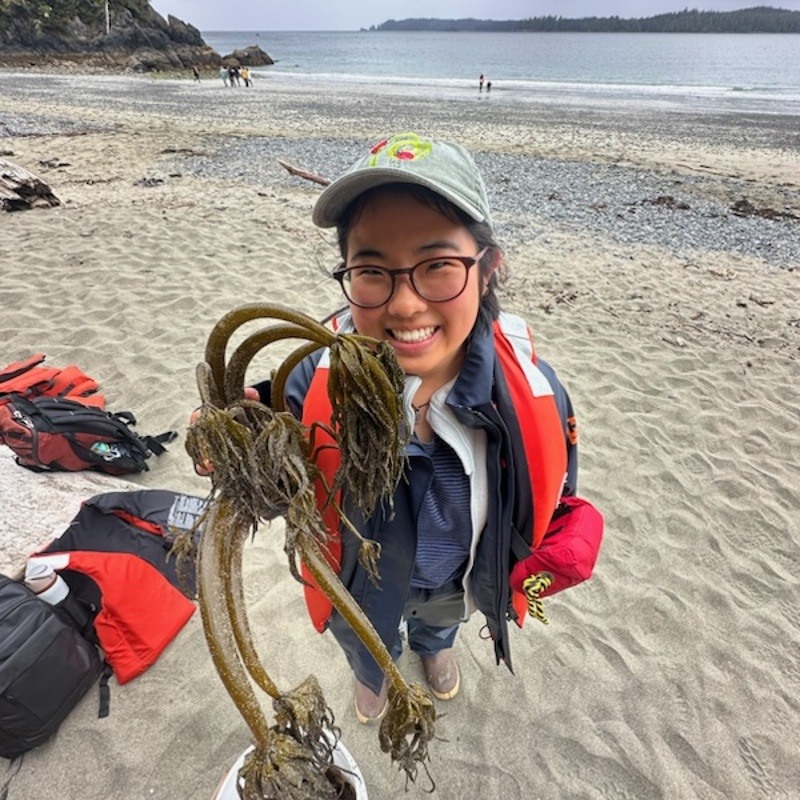
Risa Ogushi
Risa is investigating the reproductive rhythms of a common but understudied coralline alga along the northern California coast. Through year-long field surveys and genetic analyses, she will examine when and how this species reproduces, and whether it relies more on sexual or asexual strategies. Her work provides key insight into how foundational marine species may respond to a changing ocean.