What happens when you bring a dozen teenagers into the mountains for a week and surround them with botanists, wildlife biologists, ecologists, and other working scientists?
They start looking more closely.
This summer, the North Coast Chapter of the California Native Plant Society helped make that experience possible by funding botanists Jenni Hedin and Annie Allen to join a weeklong Teen Science Immersion in the Klamath Mountains. The trip brought together 12 youth through a regional partnership that included Ascend Wilderness Experience, the Bigfoot Trail Alliance, CNPS, and other scientists and organizations working across Northern California.
The goal was bigger than teaching students the names of plants. It was to immerse young people in the process of science—to slow down, ask questions, collect information, and begin seeing a mountain landscape as a web of relationships.
Botany in the Field
Jenni and Annie spent the week weaving botany into a much broader exploration of the Klamath Mountains.
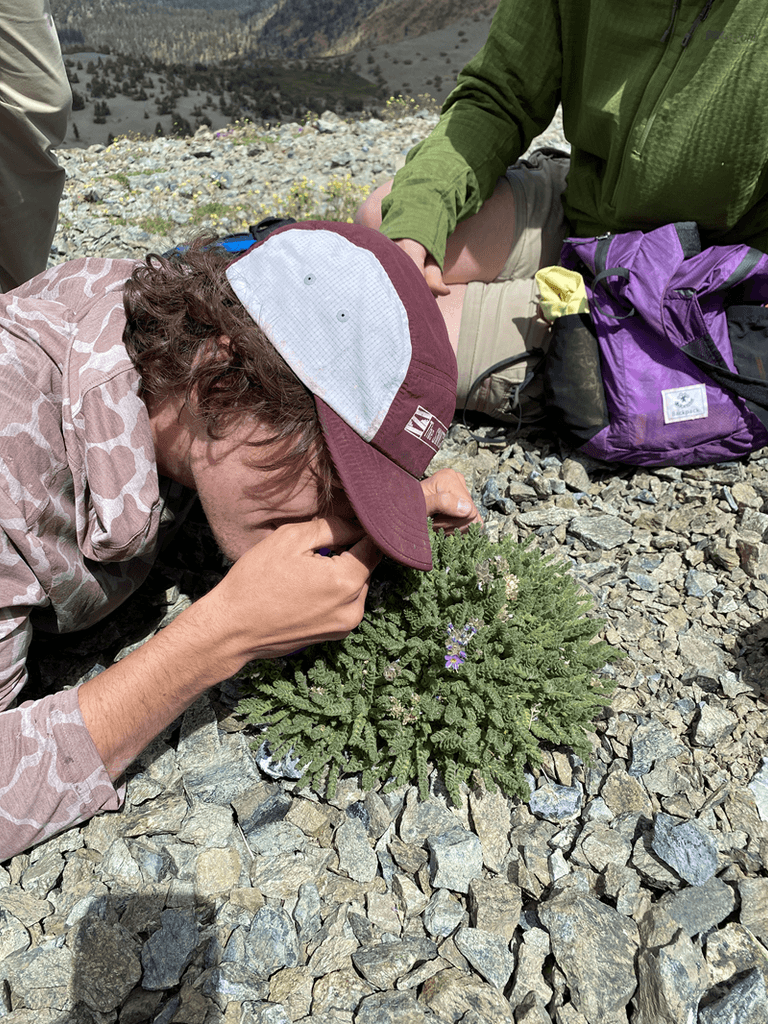
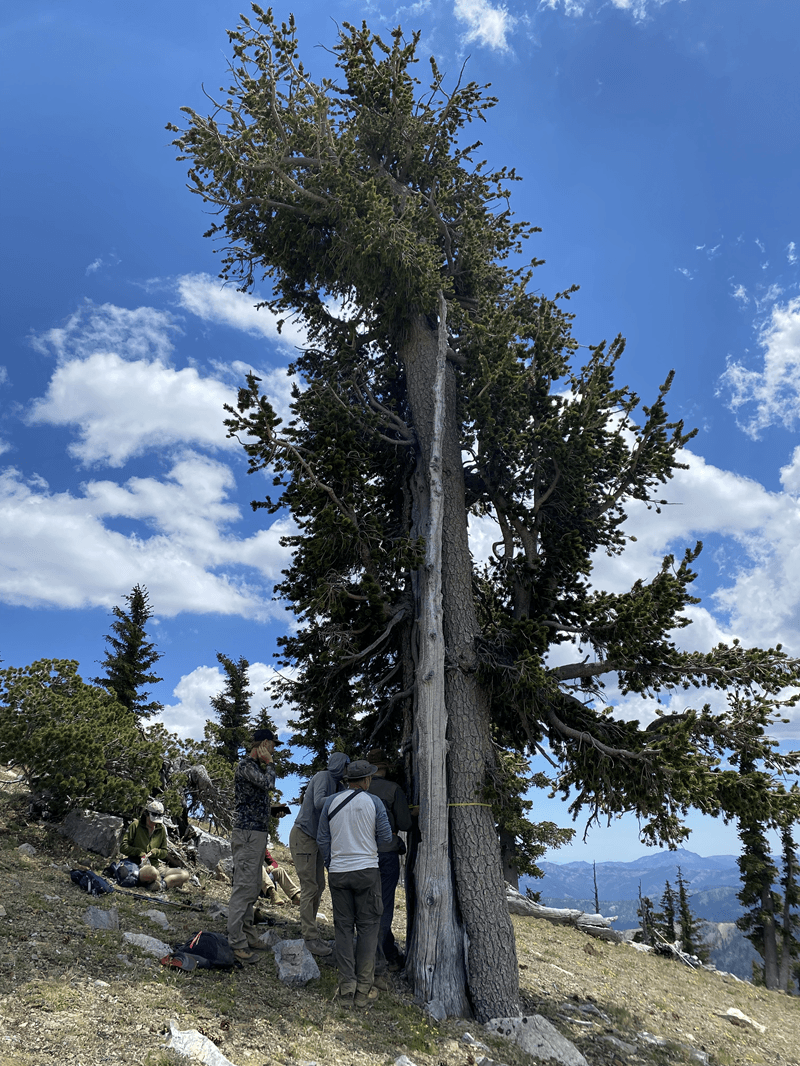
On Mount Eddy, the group explored high-elevation plant communities while learning about lichens and examining foxtail pine. Annie introduced students to Mount Eddy sky pilot (Polemonium eddyense), including one lingering plant still in flower. Jenni shared her research on whitebark and foxtail pines, giving students a glimpse into how scientists study these remarkable high-elevation trees.
Elsewhere, Annie led the students into the world of mountain meadows, peatlands, and fens. The group discussed how peat develops, how these wetlands hold water late into the dry season, and why they are important in a changing climate.
And, naturally, there were carnivorous plants.
Students examined California pitcher plant (Darlingtonia californica) up close—including looking inside a pitcher to see how this unusual plant captures insects. The lesson connected individual plants to the water, soils, and climate that make these mountain wetlands possible.
Learning to See a Plant Community
One of the week’s most hands-on experiences came when Jenni and Annie introduced the students to a vegetation relevé, a method botanists use to document plant communities.
Students learned to use a compass, examined soils, identified plants, estimated vegetation cover, and worked together to complete the survey. Annie recalled being surprised by how focused the students remained. Rather than simply hearing about botanical fieldwork, they were doing it.
The day ended with students collecting specimens and learning to use a plant press. Each created a small collection, recording what they gathered before the specimens were dried.
A Week Surrounded by Science
Botany was one thread in a much larger scientific tapestry.
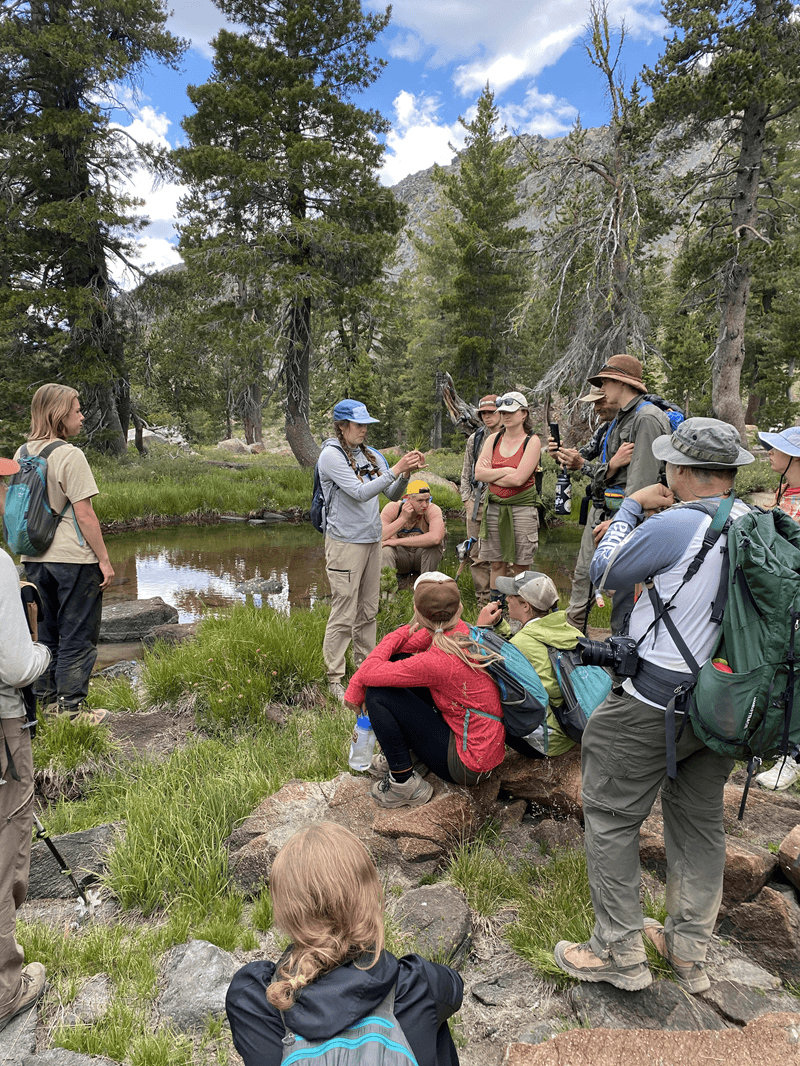
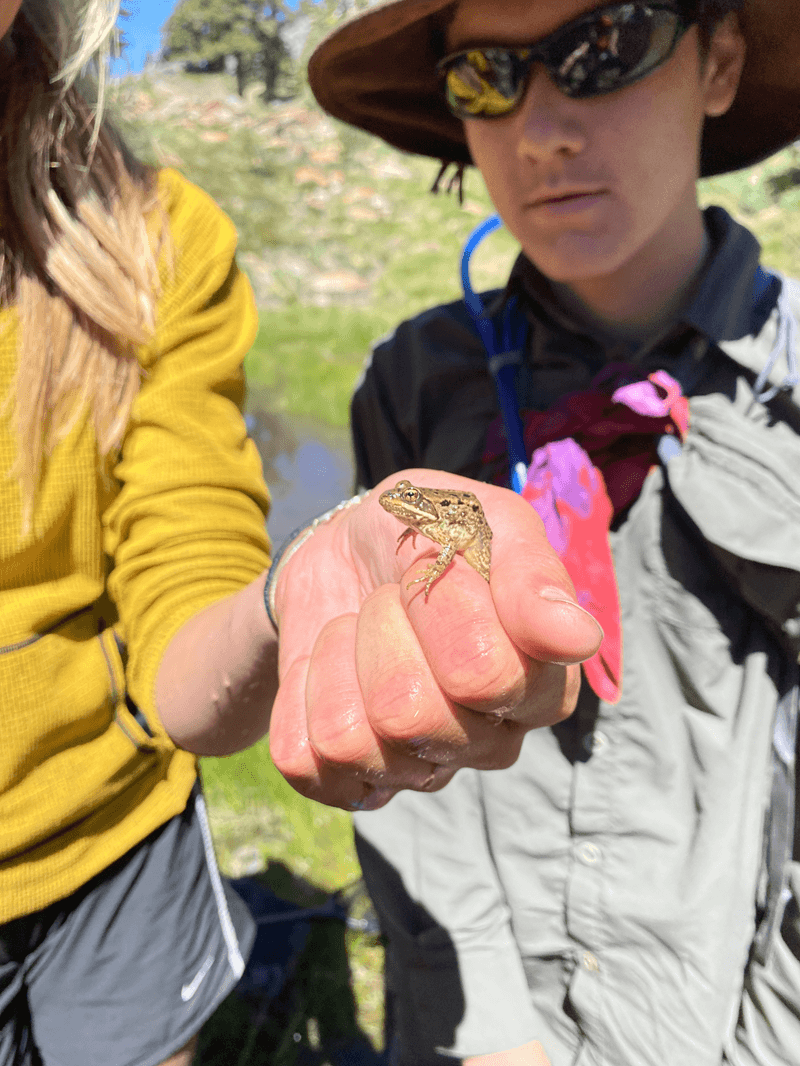
Students learned about insects from a working field scientist, joined biologists conducting frog surveys, watched researchers tag frogs, explored lichens, discussed geology, and heard from people who have built careers working outdoors in science and natural resources.
The learning continued after the hikes were over. Evening conversations gave students opportunities to ask scientists about careers, field jobs, education, and life beyond school. Jenni recalled these informal exchanges as some of the week’s meaningful moments.
Investing in the Next Generation
For the North Coast Chapter of CNPS, supporting this program represents a particularly meaningful investment. Funding two botanists did more than add plant identification to an outdoor trip. It gave 12 young people sustained time alongside scientists who could show them how to read a landscape, investigate a question, and understand plants as part of larger ecological systems.
A teenager who kneels beside a fen and wonders how it holds water may begin seeing wetlands differently. A student who peers closely at a tiny alpine flower may discover an entirely new world. Someone estimating plant cover for the first time may someday realize that field ecology could become a career.
And even if none becomes a botanist, they leave knowing something essential:
There is more happening in the mountains than we can see at first glance.
Learning to notice is where stewardship begins.
The North Coast Chapter of CNPS is proud to have supported Jenni Hedin and Annie Allen and grateful to Ascend Wilderness Experience, the Bigfoot Trail Alliance, participating scientists and regional partners, and especially the 12 young people who brought their curiosity into the mountains.